

Why Architects Specify Made-in-USA LED Strips
Architectural lighting is far more advanced than simple illumination. Nowadays, LED strip lights mainly close the day-to-day styling of industrial stages, i.e., structural elements in commercial, hospitality, healthcare, retail, and office spaces, to enhance those surroundings while improving functionality and creating the environment they desire.
But for architects, lighting has an aesthetic and a function. Products should comply with design, technical, operational, and installation requirements while operating reliably over a long service period. It is for this reason that many choose to specify Made-in-USA LED strip lights, which typically guarantee a level of consistent quality, detailed technical documentation, and responsive engineering support. These benefits minimize project risk and help ensure the smoothest delivery from design through installation.
Architects Need Lighting Products They Can Specify with Confidence
Architects combine aesthetic vision and technical accountability. Even when specified in construction documents, each product must perform to expectations while becoming part of the total building aesthetic.
How residents experience a space is directly affected by the lighting conditions in that space. Appropriate lighting beautifies the architectural features of buildings, increases visual comfort, is a facilitator for productivity, and establishes the desired ambience. Concurrently, lighting systems must work properly for the life span of the building.
Integrated LED strip light is commonly placed inside millwork, ceilings, coves, or shelving systems that are not something you can easily swap out like a decorative item. Once built, getting into these systems for repairs or replacement may require demolition of finished materials and lead to higher labor and maintenance costs.
That is why architects are searching for reliable manufacturers. Investigating atypical areas can be more useful than bright or go-to efficiency. This covers everything, from guaranteed production practices, all-inclusive and reliable technical documents, assured future product availability, to consistent long-term support.
Architects de-risk the design, construction, and building operations by specifying products from responsible manufacturers with established engineering return histories.
Consistent Manufacturing Helps Deliver Reliable Results
Consistency in manufacturing is one of the strongest rationales behind why architects choose Made-in-USA LED strip lighting for spec-driven projects.
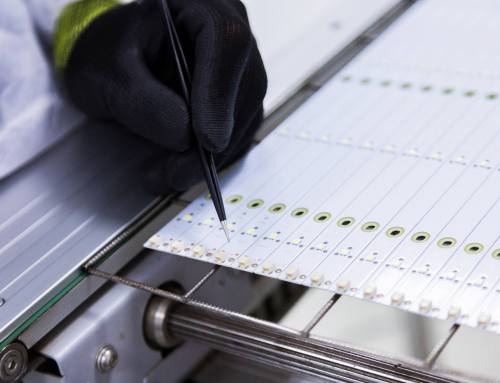
The root of consistency begins with quality in the production process. When combined with good production practices, this can help control color temperature, brightness, and electrical performance from batch to batch.
This degree of consistency is especially crucial when projects require installations in various phases of construction or when re-orders for more lighting need to occur months later.
Reliable manufacturing helps provide:
- Uniform color temperature throughout the entire install
- Consistent luminous flux batch after batch
- Reduced product variation
- Better quality control
- Execute repeatedly through phases of projects
These advantages become increasingly important in projects such as:
|
Project Type |
Why Consistency Matters |
|
Hotels |
Consistent lighting is necessary throughout your property for guest rooms and public areas. |
|
Corporate Offices |
Even lighting provides a uniform office experience from floor to floor. |
|
Retail Chains |
Lighting has to be consistent across many shops for brand consistency. |
|
Multi-Building Developments |
Consistent lighting provides an overall uniform look to campus. |
|
Renovation and Expansion Projects |
New installation projects must closely match the existing lighting systems. |
Architects depend on repeatable product performance because even small differences in color temperature or brightness can become noticeable once installations are complete.
Easier Compliance and Complete Technical Documentation
Several documents must be prepared to approve products for construction in architectural projects. Manufacturers that offer fully comprehensive technical resources ease the specification process and enable more streamlined project teams.
Architects typically require the following documentation:
- Product specifications
- Photometric reports
- Installation guides
- Driver compatibility information
- Product dimensions
- Electrical characteristics
- UL certifications where applicable
Making these resources available makes it easier for architects and engineers to assess products with confidence while facilitating coordination between consultants, contractors, and other relevant parties involved in the project.
Complete documentation also helps:
- Speed specification reviews
- Reduce Requests for Information (RFIs)
- Simplify contractor coordination
- Improve installation accuracy
- Support compliance with project requirements
If you have clear product information, then designers will be able to minimize the time spent answering technical questions on how they should implement something and spend more time working towards a successful project.
Better Lighting Quality Supports Architectural Design Goals
Architectural lighting is not only measured in how much light it puts out but also the quality of that light.
Architects pay close attention to lighting details since these directly affect the appearance of materials, finishes, artwork, and interior spaces once they are completed.
So what makes up professional architectural lighting performance? A few factors.
- High CRI for color accuracy
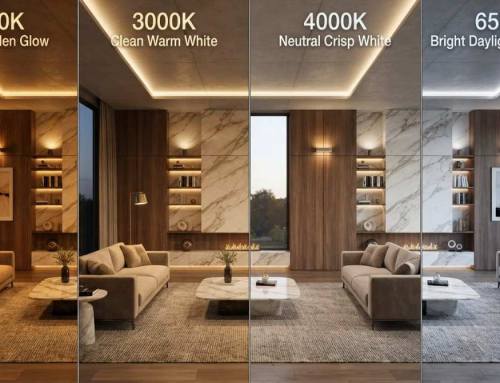
- Maintaining the same color temperature all over the installation
- Smooth, uniform illumination
- Point light from LED; limited or undesired visibility of LED dots where diffusers are used
- Clean, professional appearance
- These characteristics not only help maintain the original design intent but also facilitate beautiful and, most importantly, comfortable spaces.
Below are some of the most common applications for which we commonly specify high-quality LED strip lighting:
- Cove lighting
- Feature walls
- Hospitality environments
- Luxury retail displays
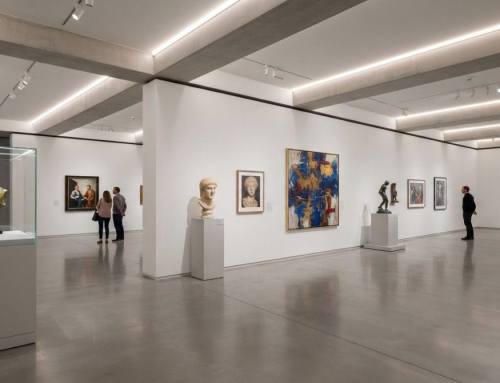
- Museums
- Reception areas
However, in these spaces, light often becomes an architectural feature itself. Even illumination emphasizes textures, finishes, and details about design without inconsistent distractions.
The role of high-performance LED strips enables the architect to establish a good balance of ambient light that preserves and develops the character of the space.
Long-Term Reliability Matters After Project Completion
Architects design buildings built for decades of use. Therefore, product reliability still plays an important role in each specification decision.
LED strip lighting built into architectural elements is not always accessible afterwards. Removing these light fixtures may entail the removal of finished ceilings, ornate millwork, decorative panels, or other completed architectural elements.
At the same time, these maintenance activities not only result in increased labor costs but also disrupt the operations of a building.
The reliable LED strip lighting solution to these problems is:
- Reduced maintenance requirements
- Longer service life
- Stable performance over time
- Fewer product replacements
- Lower long-term ownership costs
Reliable lighting, for building owners and facility managers, means lower maintenance costs throughout the lifespan of a building.
Mandating durable products also protects the architect's design integrity and the client's financial investment in their long-term shelter.
Technical Support Makes Complex Projects Easier
There are plenty of architectural lighting projects that need to consider technical matters beyond just choosing the LED strip.
To get reliable performance from a project, team members often turn to technical support for assistance with the design of systems and electrical compatibility and the planning of installations.
Some of the areas where technical support comes in to help with elbow grease include:
- Driver selection
- Power calculations
- Voltage drop considerations
- Dimming compatibility
- DMX control integration
- Maximum run length recommendations
- Custom lighting solutions
Knowing that they have access to expert engineering and technical support teams provides architects, lighting designers, electrical engineers, and contractors with answers to their questions before the installation process even starts.
Working together at an early stage can technically enhance overall system performance and decrease costly field modifications in the course of construction.
For unique architectural projects, manufacturers that can supply bespoke solutions bring new levels of flexibility, while optimising overall system performance.
Why SIRS-E Is a Trusted Choice for Architectural LED Strip Lighting
For projects involving architectural lighting products, you need a process that provides engineering, manufacturing consistency, and reliable technical support.
SIRS-E makes high-quality professional LED strip lighting solutions in the USA for architectural, commercial, and specialty lighting. Its product offerings feature high-performance linear LED solutions designed to support demanding spec-driven projects across numerous vertical markets.
As well as supplying its many LED strip arrangements, SIRS-E offers engineering experience and hands-on technical guidance and specification support to help architects, lighting designers, and project teams from initial design through installation.
For OEM lighting system solutions to meet the unique application requirements of project-based work, capable of achieving the performance and quality standards you need for professional architectural installations.
This blend of American engineering, manufacturing, and deep support from SIRS-E gives customers a stable solution for projects with critical performance and reliability needs.
Conclusion
Made-in-USA LED strip lights offer reliable lighting products that support every aspect of a project, from design and specification to installation and operation, which is why architects specify them.
Not only is the manufacturing consistent so that lighting across projects is uniform, but reliable performance also takes care of maintenance concerns once construction wraps. As you can see, comprehensive technical documentation not only simplifies project specification and helps ensure compliance, it also enhances coordination between teams. Stacked together with the high-quality lighting and painstakingly responsive engineering support, gives greater peace of mind at all stages in the building lifecycle.
The supply of reliable architectural LED strip lighting ultimately serves to preserve the design vision and contributes to lasting project success.
SIRS-E produces professional, Made-in-USA architectural-grade LED strip lights. Get in touch with us now here at SIRS-E if you know how you want your project to look, or go through the complete offer of architectural LED strip lighting solutions.
Frequently Asked Questions
Why do architects choose Made-in-USA LED strip lights?
This consistency in manufacturing, reliable quality control, thorough technical documentation, and responsive engineering support lead many architects to specify Made-in-USA LED strip lights. The above factors minimize the project risk while enabling sustained high performance.
Why is it essential to ensure consistency in manufacturing architectural LED lighting?
Consistency in manufacturing ultimately provides more uniform color temperature, brightness, and performance from batch to batch. This is critical for multi-phase work, retail chains, hotels, and building expansions where matching with existing lighting is a must.
What technical documentation is needed?
Architects need specs to help get projects approved, as well as internal data with installation instructions, driver compatibility info, electrical data ahead of time, and physical dimensions and UL certifications when applicable.
How does LED strip quality affect the final architectural design?
High-quality LED strip lights offer good color rendering, uniformity of colour, evenness in light output, and a professional look. The details help to highlight these architectural features while avoiding interfering with the intended aesthetics of the space.
Why is long-term reliability important?
Most LED strips are installed within finished architectural elements, so their replacement is often an expensive endeavor. Reliable lighting features can further help in minimizing replacements and reducing maintenance factors, thereby lowering ownership costs during the operational period of a building.







Leave A Comment
You must be logged in to post a comment.