Main 281-324-0908  |  9AM - 6PM M-F (CDT)

DMX Lighting Control Systems

How DMX Control Works in Professional LED Lighting Installations

Lighting systems today often do more than simply turn on and off. In architectural spaces, retail stores, event venues, and commercial interiors, lighting is expected to respond to different scenes, zones, and timing schedules.

That level of control requires more than standard wiring. It requires a communication system that can coordinate multiple fixtures at the same time.

DMX lighting control was designed for exactly that purpose.

DMX allows a controller to send digital commands to many lighting devices across a single control network. Each fixture receives the information it needs and adjusts its output accordingly.

At SIRS-E, we build LED lighting components that integrate with DMX512 control systems used in professional installations. Our products are engineered for reliable operation, proper electrical performance, and compatibility with industry-standard lighting control environments.

banner image

Where Lighting Control Becomes Important

In smaller installations, lighting can often be managed with simple switches or dimmers. Larger systems behave very differently.

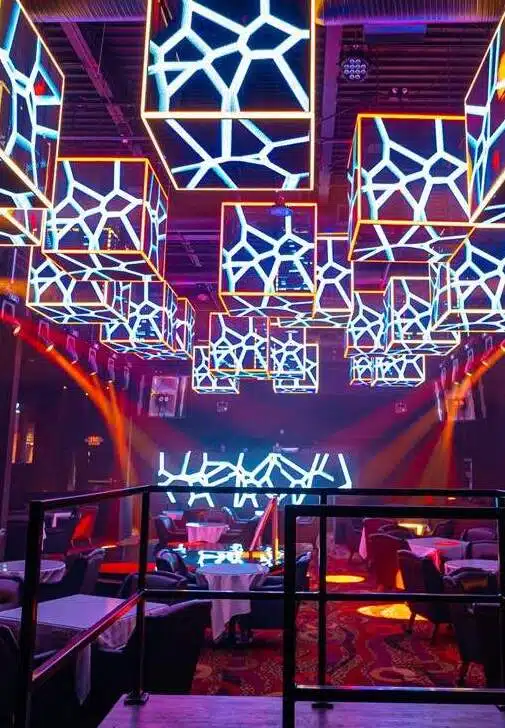
DMX lighting control system in commercial LED installation
Multiple Lighting Zones

Retail stores, architectural projects, and commercial interiors often divide lighting into zones. Display lighting, accent lighting, and ambient lighting may all need independent control. Without a structured control system, managing those zones becomes complicated very quickly.

Professional DMX lighting system with stage spotlights
Coordinated Lighting Behavior

Some environments require lighting that changes together. Display lighting may shift brightness at certain times of day. Architectural lighting may run programmed scenes. Event spaces may adjust lighting dynamically. DMX makes that coordination possible.

Large Lighting Networks

Many lighting installations stretch across long distances or include dozens of fixtures. Maintaining consistent control across that network requires a communication protocol designed specifically for lighting systems.

How DMX Lighting Systems Work

DMX is a digital communication standard developed for lighting control. Instead of wiring each fixture individually to a control device, DMX allows multiple devices to receive instructions through a shared signal line. A DMX lighting system usually includes three main parts.

The DMX Controller

The system controller functions as the central operation hub for the entire system. The controller sends commands which manage both brightness levels and color transitions and all lighting effects. The various types of controllers include lighting consoles and building control systems and software platforms.

Lighting Devices and Drivers

The DMX network controller sends operational commands to every lighting fixture. The device follows its assigned address signal to determine its light output level. The equipment includes LED strips, dimmers drivers and all other devices that support DMX operation.

The Data Network

A network system connects all devices to transmit the DMX signal throughout the entire system. The controller continuously transmits data while each device extracts information from its designated signal segment.

What DMX Allows Lighting Systems To Do

The main advantage of DMX is that it allows complex lighting systems to operate in a coordinated way.

Control Individual Fixtures

Each fixture can respond to its own set of control channels. This allows brightness levels, color values, and lighting effects to be adjusted independently.

Scale Across Large Systems

A DMX system can manage hundreds of control channels from a single controller. Larger installations can expand to additional control universes when more capacity is required.

Run Lighting Scenes

Lighting scenes allow multiple fixtures to respond together. A single command can change the entire lighting environment across a space.

Maintain Reliable Communication

Because DMX uses a structured digital protocol, it allows lighting systems to communicate reliably even in installations with many connected devices.

Where DMX Lighting Control is Used

DMX is widely used anywhere lighting needs to operate as part of a coordinated system. Common environments include:

  • Architectural Lighting Installations
  • Retail Environments And Product Displays
  • Stage And Entertainment Lighting
  • Commercial Interiors
  • Façade Lighting Systems

DMX-Compatible LED Lighting Solutions from SIRS-E

SIRS-E products are designed to operate within professional lighting systems where reliability and compatibility are essential.

DMX-Compatible LED Drivers

Our LED drivers allow DMX controllers to adjust lighting output across connected LED systems.

Integration with Standard DMX Systems

SIRS-E products are designed to work with industry-standard DMX512 control environments used by professional lighting controllers.

Refresh Rates Designed to Reduce Flicker

Controller refresh rate plays an important role in environments where lighting is captured on camera. Proper control hardware helps reduce flicker in video-sensitive environments.

Electrical Design Considerations for DMX Systems

Lighting control systems depend on proper electrical design to perform consistently.

Selecting the Right Power Supply

Lighting systems operate under continuous electrical load. Power supplies must be sized correctly to maintain stable output across the system. Undersized power supplies often lead to flicker or brightness instability.

Maintaining Signal Integrity

DMX networks rely on clean signal transmission between devices. Proper cable selection and signal termination help maintain reliable communication.

Managing Long Lighting Runs

Large installations may require electrical distribution planning to maintain consistent brightness across extended lighting runs.

Installation Considerations

Lighting control systems should be installed with careful attention to electrical and communication design.

System Layout

Controllers, drivers, and fixtures must be connected in a structured network that allows reliable signal flow.

Correct Cable Selection

DMX communication uses data cables designed to carry digital signals. Using appropriate cables helps prevent signal errors.

Professional Installation

Lighting systems connected to building electrical systems should be installed by licensed electricians to ensure safety and compliance with electrical codes.

Designed and Built by SIRS-E in the United States

SIRS-E lighting components are designed and manufactured in the United States with an emphasis on reliability and long-term system performance.

In-House Engineering

Our engineering team designs products specifically for professional lighting environments where performance consistency matters.

UL-Certified Products

Our products undergo UL testing and certification to support their safe installation and their operation stability throughout their entire service life.

U.S.-Based Technical Support

Our support team provides documentation and installation guidance and product expertise which stems from their direct product knowledge.

How We Support Lighting Projects

We work together with installers and integrators and project teams to guarantee proper configuration of lighting systems.

Technical Documentation

Wiring diagrams and product documentation help installers understand system layout and connection requirements.

Pre-Installation Guidance

We assist customers with product selection and system considerations before installation begins.

Project Support

Technical support is available to help teams troubleshoot installation questions and configure lighting systems properly.

START PLANNING YOUR DMX LIGHTING SYSTEM

If you are planning a retail or commercial LED lighting installation, our team is available to help you select the right products and plan your system.

Frequently Asked Questions

What does DMX stand for?
faq arrow

DMX stands for Digital Multiplex. It is a communication protocol used to control lighting devices in professional lighting systems.

How many devices can DMX control?
faq arrow
Can DMX control LED strips?
faq arrow
Does DMX require special wiring?
faq arrow
Should DMX systems be installed professionally?
faq arrow
Go to Top