

LED Lighting Project Planning, Costing & Risk Management
Overview of Professional LED Lighting Project Planning
There's a lot more to a lighting project than picking the right fixtures.
How power gets distributed, which control systems you use, how installation is handled, and what day-to-day operation looks like, all of it affects how well the system actually works. The bigger the project, the more those details matter.
Commercial spaces, architectural builds, entertainment venues, and specialized environments all come with different demands. Thinking through those demands early makes everything smoother, from installation to long-term upkeep.
When power, control, and fixture selection are worked through together from the start, the whole system holds up better.
SIRS-E designs and manufactures LED Strip lights & systems in the United States, with a focus on electrical stability, UL-certified safety standards, DMX control integration, and reliable long-term performance.
Understanding the Scope of an LED Lighting Project
Defining Project Goals and Performance Requirements
Before anything else, there's one question worth sitting with: what does this system actually need to do?
That answer looks different depending on where you are. A commercial space usually wants efficiency and uptime. An architectural project might care more about visual impact and flexibility. Entertainment installations tend to need sophisticated control. Specialized environments bring their own quirks entirely.
Whatever the use case, our system is designed around those goals from day one, not patched together around them after the fact. Generic solutions bolted on later almost always create more problems than they solve.
Identifying Lighting System Requirements
There's more to performance than the fixture itself. Most projects need to think through:
- Brightness and illumination levels
- Color temperature requirements
- Visual consistency across the installation
- Dimming and control functionality
- Operating schedules
- Environmental conditions
Evaluating Infrastructure and Site Conditions
Every lighting system has to work within real physical and electrical constraints. Understanding what those are before design work begins isn't optional; it's foundational.
Things worth looking at early:
- Existing electrical infrastructure
- Available circuit capacity
- Mounting conditions and equipment accessibility
- Space constraints
- Power distribution pathways
Planning Professional LED Lighting Systems
Developing a Structured Lighting Plan
A well-built system gets organized before the first fixture goes in.
Fixture placement, lighting zones, control methods, and power distribution all need to be planned together, not handled as separate decisions made weeks apart. A solid lighting plan typically works through:
- Fixture layout and placement
- Zone-based lighting organization
- Control system architecture
- Future expansion requirements
Planning DMX and Lighting Control Integration
Control needs have a way of growing as projects get bigger. Simple dimming handles smaller environments just fine. But larger installations usually need scene management, scheduling, color control, or dynamic effects, and that's where DMX-based systems earn their place.
Good planning accounts for:
- DMX-compatible infrastructure
- Control zone organization
- Addressing strategies
- Scene programming requirements
- Multi-universe configurations for larger builds
Coordinating Power and Electrical Design
If something goes wrong with an LED system, power is usually where the trail leads.
Undersized supplies. Voltage drop on long cable runs. Distribution layouts that look fine on paper but don't reflect how the system actually operates. Those issues show up as flicker, inconsistent output, and components failing earlier than they should.
SIRS-E’s solid power planning covers:
- Load calculations
- Power supply sizing
- Voltage management
- Distributed power strategies
- Circuit allocation planning
Cost Planning for LED Lighting Projects
Understanding Initial Project Costs
The fixture price is one line item. A complete professional LED system covers quite a bit more:
- LED fixtures and lighting hardware
- Power supplies and drivers
- DMX controllers and control devices
- Cabling and connectivity infrastructure
- Electrical installation labor
- Programming and commissioning services
Evaluating Long-Term Operating Costs
What you spend getting the system in is only half the story. Over time, costs can include:
- Energy consumption
- Routine maintenance
- Replacement components
- System upgrades
- Service requirements
Balancing Cost vs. System Performance
Not every LED product is made to the same standard. Lower-cost options can look like a good deal during procurement. But how a system holds up over time usually comes down to things you can't see on a price sheet:
- Electrical design quality
- Component consistency
- Control compatibility
- Certification standards
- Reliability under continuous operation
Risk Management in LED Lighting Projects
Common Risks in Professional Lighting Installations
Most problems that show up in lighting installations are preventable. They tend to look like:
- Electrical instability
- Improper power sizing
- Signal communication failures
- Component compatibility conflicts
- Installation errors
- Documentation gaps
Reducing Technical and Installation Risks
Risk management is a planning activity, not an installation one. A few practices that consistently make a difference:
- Reviewing technical documentation thoroughly
- Working with qualified contractors and integrators
- Choosing UL-certified components
- Following structured commissioning procedures
- Confirming compatibility between system elements
Managing Expansion and Future Upgrade Risks
Lighting systems rarely stay the same. More fixtures, new control requirements, changes to the facility, all of it puts new pressure on what was originally installed.
Planning might mean:
- Reserved power capacity
- Additional control channels
- Flexible network architecture
- Expansion-ready layouts
Installation Coordination and Project Execution
Working with Lighting Contractors and Integrators
Good installations come from good coordination. Contractors, electricians, programmers, and project managers all play a role in how the system ends up performing.
On projects with advanced controls or large footprints, experience with LED infrastructure and DMX systems really does matter. SIRS-E ensures clear communication between everyone involved to avoid avoidable mistakes from happening.
Technical Documentation and System Planning
Documentation isn't glamorous, but it's what a clean installation is built on. Key documents typically include:
- Wiring diagrams
- Fixture schedules
- Address maps
- Power distribution plans
- System specifications
System Testing and Commissioning
Before anything goes into regular operation, it needs to be validated. Commissioning usually covers:
- Signal verification
- Control testing
- Scene validation
- Performance measurements
- Full operational review
LED Lighting Applications Requiring Advanced Project Planning
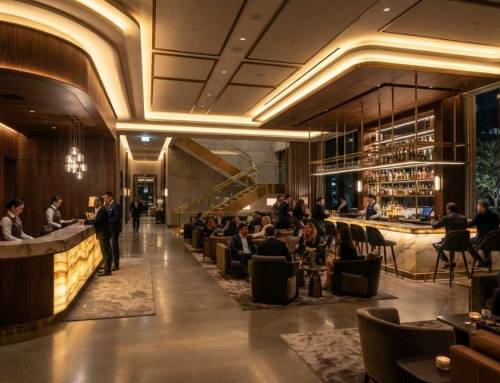
Commercial and Retail Lighting Projects
Retail spaces, hospitality venues, offices, and public facilities often run long hours every day. That puts real demands on the system. Planning priorities in these environments typically include:
- Consistent illumination
- Energy efficiency
- Reliable control integration
- Simplified maintenance
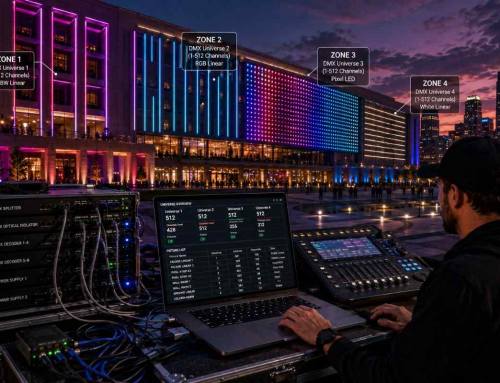
Architectural and Facade Lighting Systems
Architectural projects come with an infrastructure that is longer distances and more complex than a pre-spec housing estate. These systems often need:
- Exterior-rated components
- Coordinated control across wide areas
- Long-distance power distribution
- Dynamic lighting capabilities
Entertainment and Experiential Lighting Installations
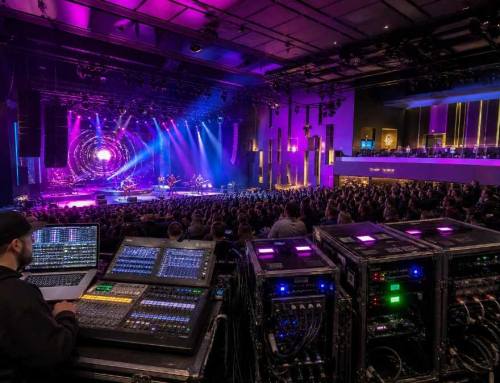
Control infrastructure is the lifeblood of entertainment environments. Common requirements include:
- DMX integration
- Dynamic scene programming
- Multi-zone control
- Synchronization across large installations
Long-Term Lifecycle Planning for LED Lighting Systems
Maintenance and Serviceability Planning
Every system needs service eventually. This way of designing from the start gives us less downtime and lower repair costs. Worth thinking through:
- Fixture accessibility
- Driver replacement access
- Troubleshooting procedures
- Documentation availability
Energy Efficiency and Operational Optimization
It is not just the fixture spec that is an efficiency factor. And the way that system is operated should matter too. Strategies worth considering:
- Automated scheduling
- Occupancy-based controls
- Smart dimming strategies
- Runtime optimization
Planning for Future Expansion
Facilities change. What's installed today needs to accommodate what comes next. Expansion planning might include:
- Additional fixture capacity
- Future lighting zones
- Expanded control systems
- Network infrastructure upgrades
Choosing the Right LED Lighting Project Partner
Engineering and Technical Expertise
Professional lighting projects need system-level thinking. Understanding how power, control, infrastructure, and fixtures work together is often more valuable than deep knowledge of any single product. Our engineering support makes the whole process less uncertain.
Product Quality and Certification Standards
Reliability starts with what goes into the system. Certified components support electrical safety, compliance, and performance that hold up over time. Professional environments need parts that are designed, tested, and built to a consistent standard.
Technical Support and Project Assistance
Complex projects don't follow a template. Our knowledgeable technical support available helps with:
- System design review
- Product selection
- Installation guidance
- Troubleshooting assistance
Our teams have access to real technical support to make better decisions throughout the project, not just at the start.
Planning a Successful Professional LED Lighting Project
Good lighting projects don't come from one great product choice. They come from careful planning, coordinated system design, solid power infrastructure, and control strategies that actually fit the application.
Commercial spaces, architectural builds, entertainment environments, specialized installations, the fundamentals are the same across all of them.
Be clear about requirements. Think about power and control carefully. Keep documentation thorough. Build for how the system will perform years from now, not just on opening day.
That's why SIRS-E creates installations that stay reliable, efficient, and easy to maintain long after the work is done.
FAQs
What should be considered before starting an LED lighting project?
Before design can even begin, project goals, lighting requirements, and power availability, control needs, limitations for installation, as well as operational expectations for the long term, must all be worked through.
What is the role that power planning plays in LED lighting systems?
Power planning also influences several behaviors, such as voltage stability, fixture performance, reliability, and system life. The most prevalent LED problems originate in sensible power decisions made too late in the design stage.
How can DMX control systems impact project planning?
Addressing, wiring, control zones, and programming requirements are influenced by DMX. It should be considered right from the time of planning.
What are the biggest risks in commercial LED lighting installations?
The typical problems are incorrect power sizing, incompatible devices, communication issues, installation mistakes, and information documentation.
What makes professional-grade LED systems more reliable?
They're made with better components, optimized electrical standards, reinforced power management, and actually designed infrastructure for round-the-clock operation instead of peak performance on a one-time run.








Leave A Comment
You must be logged in to post a comment.