
Architectural LED Lighting Systems: Design, Specification & Control
Architectural lighting has experienced significant evolution throughout the last two decades. Today, commercial spaces and hotels and retail stores and homes use LED lighting systems to create atmosphere and improve visual comfort.
Although LED technology provides efficient and flexible benefits, designers must execute thorough planning processes to develop effective lighting systems. Designers need to assess all aspects, which include electrical requirements and control systems and installation procedures and safety regulations.
SIRS-E collaborates with installers and designers and system integrators who require trustworthy lighting solutions for their professional projects. Our United States-based LED products undergo design and manufacturing processes that prioritize safety and product durability and consistent operational performance.
This guide explains the basics of architectural LED lighting systems, which include their design and power system and control system and selection process.
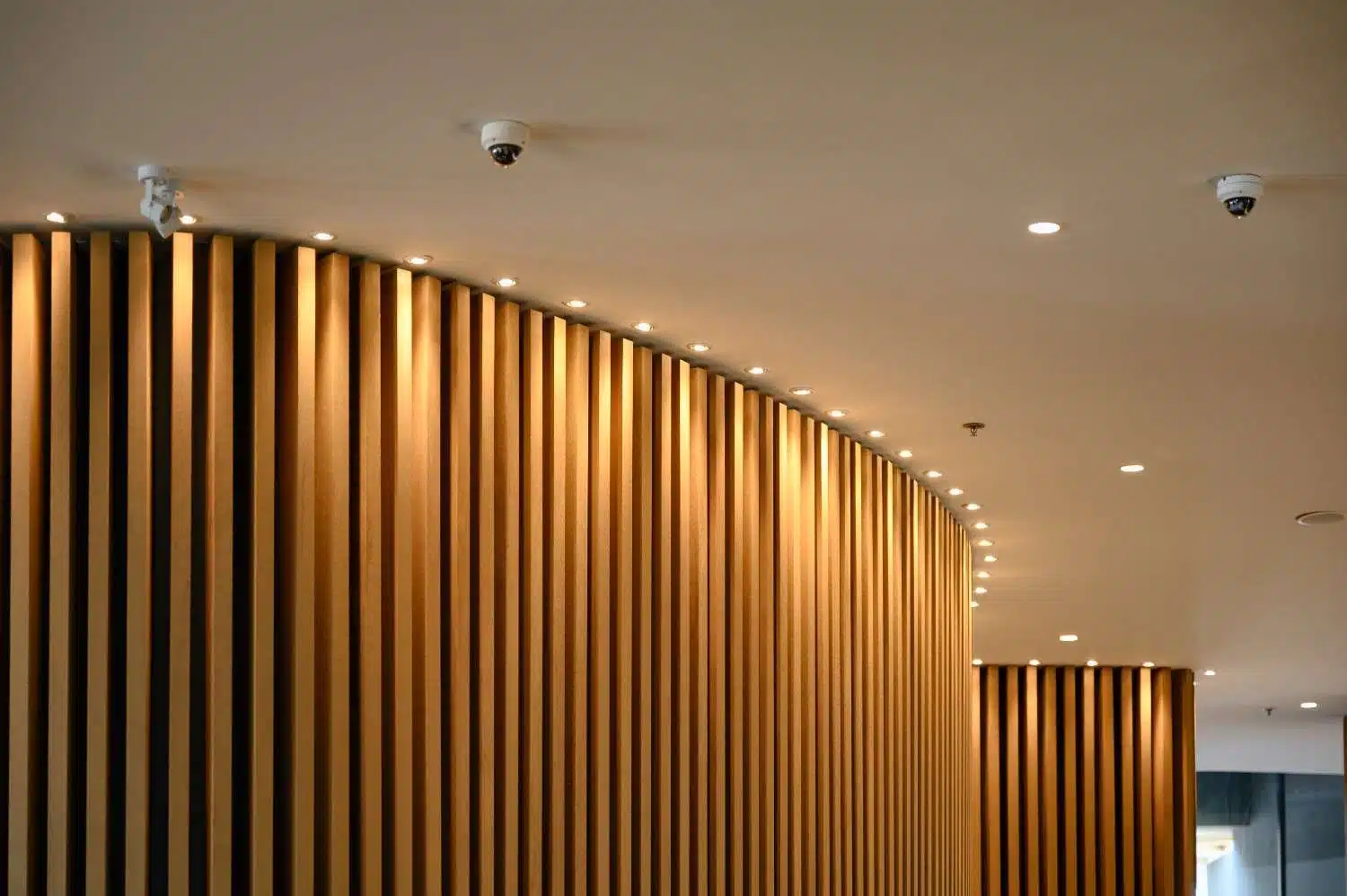
What Is an Architectural LED Lighting System?
The architectural LED lighting system functions as an organized lighting system which establishes direct connections with building architectural elements. The systems provide more than basic lighting because they use architectural details to create specific moods while delivering essential lighting throughout the room.
Architectural lighting systems require multiple components to function together as one system while decorative lighting products allow for immediate use.
Core Components of an Architectural LED Lighting System
| Component | Purpose |
|---|---|
| LED strips | Provide continuous linear illumination |
| Power supplies / drivers | Convert AC power to stable DC voltage |
| Lighting controllers | Manage brightness, color, and effects |
| DMX control systems | Enable advanced lighting control |
| Mounting channels | Secure and protect LED strips |
| Wiring infrastructure | Connect and distribute electrical power |
These components work together to ensure efficient, safe, and high-quality LED lighting system performance.
When properly designed, these components form a lighting system that operates safely and consistently over long periods of use.
Common Architectural LED Lighting Applications
Architectural lighting designers now use LED strip lighting as their most adaptable lighting solution. The strips’ flexible design combined with their compact size enables their use in various environmental settings.
Cove Lighting
Cove lighting is commonly installed in recessed ceiling areas to produce indirect light. The LED strip uses surrounding surfaces to reflect light which produces a gentle ambient illumination instead of showing its light source directly.
This approach is widely used in hotels, restaurants, and residential living spaces.
Linear Lighting
Linear lighting serves commercial spaces which include offices and retail stores and hospitality venues. The installation of LED strips inside aluminum channels produces continuous light which matches the architectural design of the space.
Accent Lighting
Accent lighting highlights specific features such as textured walls, artwork, columns, or architectural niches. The use of LED strips for this application enables installers to use hidden lights which produce accurate light distribution.
Retail and Display Lighting
LED strips serve as the main lighting solution for retail spaces which use them to light up shelving areas and product displays and signage. The store uses correct lighting placement to enhance product visibility which also helps create the desired atmosphere throughout the store.
Exterior and Facade Lighting
Building exterior areas use LED lighting systems to showcase architectural features while creating visual effects at night. Exterior installations require special planning to handle electricity needs and protect equipment from weather conditions.
Typical Applications and Lighting Goals
| Application | Lighting Objective |
|---|---|
| Cove lighting | Indirect ambient lighting |
| Retail displays | Highlight products |
| Architectural facades | Highlight structural features |
| Hospitality spaces | Atmosphere and comfort |
| Residential interiors | Layered lighting design |
Understanding LED Strip Technology
LED strip lighting may appear simple at first glance, but several technical factors influence how the strip performs in real-world installations.
LED Diode Sizes
LED strips typically use surface-mounted diode packages that vary in size.
Two common examples include:
| LED Type | Physical Size | Typical Applications |
|---|---|---|
| 5050 | 5.0mm × 5.0mm | Higher brightness installations |
| 3528 | 3.5mm × 2.8mm | Lower power or subtle lighting |
While larger diode packages can produce more light output, brightness also depends on LED density, circuit design, and component quality.
Important Note
Brightness is influenced by multiple factors. Diode size alone does not determine how bright an LED strip will appear in a real installation.
LED Density
LED density backlight system operates by measuring the total number of LEDs that exist within each meter of installed LED strip length. Higher density strips can provide smoother illumination with fewer visible gaps between LEDs, which is often preferred in architectural applications.
Cut Points
LED strips are manufactured with designated cut points marked along the strip. The strip will stop working properly because its circuit gets broken when you cut it at points which exist outside its designated cut points.
Power Supply Design for LED Systems
Every LED lighting installation depends on a properly sized power supply. LED strips typically operate using low-voltage DC power, commonly 12V or 24V. Because building electrical systems provide AC power, a driver or power supply is required to convert the incoming voltage.
Calculating Power Requirements
To determine the correct power supply, installers calculate the total wattage required for the LED strips.
Example calculation:
| Strip Length | Power Per Meter | Total Power |
|---|---|---|
| 10 meters | 14.4 W/m | 144 W |
In most cases, installers choose a power supply that exceeds the calculated load to allow additional capacity.
Installation NotePower supplies that operate close to their maximum load may lead to unstable performance or flickering. Providing adequate headroom helps maintain consistent operation. |
Voltage Drop and Power Injection
Voltage drop occurs when electrical current travels across longer wiring distances. As resistance increases, voltage decreases slightly along the run.
For LED strips, this may result in visible brightness differences between the beginning and end of the strip.
Common Solutions for Voltage Drop
| Solution | Purpose |
|---|---|
| Power injection | Supply power at multiple points |
| Shorter strip runs | Reduce resistance across the circuit |
| Appropriate wire gauge | Maintain stable voltage delivery |
Installers frequently divide long LED runs into shorter segments or inject power at multiple points to maintain consistent brightness.
Lighting Control Systems
In architectural projects, designers need lighting systems which provide more than basic functionality. Designers require control over brightness and color and spatial ambiance throughout different times of the day.
The solution to this problem exists through lighting control systems.
Some installations use simple dimmers. The system enables users to control multiple lights at once through digital control protocols which handle dozens or hundreds of lights. The control system selection needs to match project dimensions and required operational adaptability of the space.
DMX Lighting Control Systems
The DMX512 control protocol ranks among the most common control systems used in professional lighting environments. The technology began as a stage lighting standard but now it serves multiple architectural applications.
A DMX system allows multiple lighting devices to be controlled from a single controller.
Each system operates through channels. One DMX universe can handle up to 512 channels, which can be assigned to different functions depending on the lighting fixture.
For example, channels may control:
- brightness levels
- color adjustments
- lighting effects
- synchronized lighting scenes
| Feature | Description |
|---|---|
| Protocol | Digital lighting control standard |
| Channel capacity | Up to 512 channels per universe |
| Common uses | Architectural, stage, and entertainment lighting |
Because DMX allows many fixtures to communicate within the same network, designers can build coordinated lighting scenes across an entire space.
Wireless DMX Systems
Running control cables isn’t always easy. Older buildings, renovations, or retrofit projects can make wiring complicated.
Wireless DMX systems provide a solution to the identified problem. The transmitter transmits control signals through wireless transmission instead of using cable connections. The receivers located close to the lighting fixtures receive the signal which they transmit to the devices. This technique proves effective for lighting projects which require temporary installation because building new control wiring systems proves too challenging.
Preventing Flicker in LED Lighting
LED lights create a persistent stable appearance which most people perceive as constant. The human eye detects flicker in lighting when it is recorded with video equipment.
The way our eyes perceive light differs from the methods that cameras use to measure light. Certain shutter speeds can interact with LED drivers or controllers, revealing flicker patterns that are not noticeable in normal viewing conditions.
The hospitality, retail, and broadcast industries require architectural lighting projects to achieve flicker reduction because it serves as a critical design requirement.
Common Causes of LED Flicker
Several technical factors can contribute to flicker in LED lighting systems.
| Cause | Explanation |
|---|---|
| Low-quality power supplies | Unstable voltage output may cause LEDs to pulse |
| Controller refresh rate | Low refresh frequencies may conflict with camera shutter speeds |
| Overloaded power supplies | Drivers running near capacity may produce inconsistent output |
| Long wiring runs | Voltage drop can affect consistent brightness |
Understanding these factors early in the design process helps prevent issues after installation.
Controller Refresh Rates and Video Applications
Lighting controllers operate at specific refresh frequencies. When the refresh rate is too low, cameras may capture fluctuations in brightness.
Controllers designed for professional environments often operate at higher frequencies, which helps stabilize the lighting output.
For installations that will be filmed regularly, such as studios, event venues, or broadcast spaces, higher refresh rate controllers can significantly reduce visible flicker.
Practical Tip for InstallersIf a lighting installation will frequently appear on camera, testing the system under real filming conditions is recommended. This allows installers to identify flicker issues before the project is finalized. |
Installation Planning and Wiring
Architectural LED lighting installations work best when the system is planned carefully before installation begins.
Even relatively small lighting projects involve several components working together. Power supplies, wiring paths, mounting hardware, and controllers all need to be considered.
A clear installation plan helps prevent electrical issues and simplifies troubleshooting later.
Key Planning Areas
| Area | Considerations |
|---|---|
| Wiring layout | Determine the routing path for power and control cables |
| Mounting locations | Identify where LED strips and channels will be installed |
| Power supply placement | Ensure drivers remain accessible and well ventilated |
| Controller positioning | Locate controllers where signal routing is efficient |
| Maintenance access | Allow access for servicing or future adjustments |
Careful planning can significantly reduce installation time and help avoid performance issues later.
Careful planning can significantly reduce installation time and help avoid performance issues later.
Mounting and Heat Management
LED strips are often installed inside aluminum channels. These channels serve two purposes.
First, they protect the LED strip and create a clean installation. Second, they help dissipate heat generated during operation.
Proper heat management can improve the lifespan and performance of LED lighting systems.
Safety NoteElectrical installations should always follow proper safety practices and local electrical codes. For larger or more complex lighting systems, working with a licensed electrician can help ensure that the installation meets safety requirements and operates reliably. |
Why UL Certification Matters in LED Lighting
Safety certification plays an important role in professional lighting installations. Electrical products used in buildings must meet certain safety standards to ensure reliable operation.
One of the most widely recognized safety organizations in the United States is Underwriters Laboratories (UL).
UL certification indicates that a product has been evaluated for electrical safety and compliance with established standards.
What UL Testing Evaluates
| Area | Purpose |
| Electrical safety | Protection against electrical hazards |
| Thermal performance | Heat generation and dissipation |
| Product construction | Structural reliability of components |
| Material durability | Long-term operating performance |
Using certified lighting components helps reduce the risk of electrical problems and supports compliance with building safety requirements.
For architects, designers, and installers, certification also provides reassurance that the lighting system meets recognized safety benchmarks.
SIRS-E LED lighting products are developed with safety and compliance as core design priorities, helping professionals specify lighting systems with confidence.
Important Note for SpecifiersMany commercial projects require safety-certified electrical components as part of building regulations or project specifications. Verifying certification early in the specification process can prevent delays during construction or inspection. |
How to Specify an Architectural LED Lighting System
Lighting designers and installers typically follow a structured process when specifying lighting systems.
Specification Checklist
| Step | Consideration | Checklist |
|---|---|---|
| 1 | Identify lighting objective | |
| 2 | Select appropriate LED strips | |
| 3 | Calculate total power requirements | |
| 4 | Choose compatible control systems | |
| 5 | Plan wiring and installation |
Taking time to evaluate these factors during the design phase helps prevent problems later during installation.
Why Professionals Choose SIRS-E
Lighting professionals often need more than just lighting components. They need products that perform reliably, meet safety standards, and come with the technical resources required for real-world installations.
At SIRS-E, we design LED lighting solutions specifically for professional environments where consistency, durability, and safety matter.
UL-Certified Lighting Components
Our LED lighting components are developed to meet recognized safety standards, including UL certification. This helps installers and specifiers select products with confidence, knowing the components have been evaluated for electrical safety and performance.
U.S.-Based Design and Manufacturing
We design and manufacture our LED lighting products in the United States. Local engineering and production allow us to maintain strict quality control and consistent product performance. For professionals specifying lighting systems, this provides added confidence that the components used in a project are built to reliable standards.
Technical Documentation and Wiring Resources
Architectural lighting installations often require careful planning. To support installers and designers, we provide technical documentation, wiring diagrams, and product guidance that help simplify system design and installation.
Knowledgeable Customer Support
Questions can arise during any lighting project, particularly when working with control systems or larger installations. Our team provides knowledgeable support to assist with product selection, installation considerations, and system configuration. This support helps designers, installers, and system integrators build lighting systems that perform reliably once installed.
Need Help Choosing the Right Architectural LED Lighting System?
Our team works with designers, installers, and integrators to help identify the right LED strips, power supplies, and control solutions for professional lighting projects.
Frequently Asked Questions:
What voltage is typically used for LED strip lighting?
Most architectural LED strip lighting systems operate using 12V or 24V DC power supplied by a compatible driver or power supply.
How long can LED strips run before voltage drop becomes noticeable?
The maximum run length varies depending on the strip design and power requirements. Longer runs often require power injection at additional points to maintain consistent brightness.
Do DMX controllers require a power supply?
Yes. DMX controllers typically require an external power supply in order to operate and drive connected LED lighting devices.
Can LED strips be cut anywhere along the strip?
No. LED strips should only be cut at the designated cut points marked on the strip to maintain electrical continuity.
What causes flicker in LED lighting?
Flicker may be caused by power supply limitations or controller refresh rates. Systems designed for video environments often use higher refresh frequencies to reduce visible flicker.
Is it safe to install LED lighting systems without professional help?
While some small installations can be completed by experienced DIY users, larger architectural lighting systems often benefit from installation by qualified professionals or licensed electricians.
I’m the founder and CEO of SIRS Electronics, Inc. and an Electrical Engineer with nearly 30 years of experience in LED lighting, electronics, and product development. I focus on building practical, reliable lighting and control solutions for architectural, commercial, and entertainment applications.