
Main 281-324-0908  |  9AM - 6PM M-F (CDT)

Our Architectural LED Lighting, Designed to Live in the Build

Architectural lighting is expected to stay in place. It runs every day, often for long hours, and becomes part of the building over time. At SIRS-E, we design and manufacture architectural LED lighting systems for these kinds of permanent installations. Our focus is stable electrical performance, consistent light output, and architectural LED lighting products that can be installed and maintained in real commercial environments.

banner image

Lighting Systems Designed to Become Part of the Architecture

Architectural projects include lighting design as an integral component of their construction process. Architectural LED lighting requires coordination with permanent building elements including ceilings and walls, and it is installed for long-term use. These architectural LED lighting systems operate on a daily basis and require stable performance after commissioning.

We design and manufacture our architectural LED lighting products in the United States, which allows us to maintain direct control over materials, assembly, testing, and ongoing support. This approach supports predictable installation and long-term operational stability across large-scale architectural LED lighting installations.

Where SIRS-E Architectural Lighting Is Used

Linear and Cove Lighting

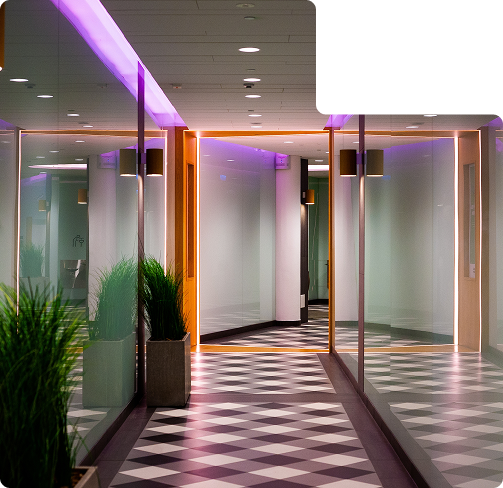
Installed inside ceilings, coves, soffits, and recessed spaces. These architectural  LED lighting runs are often long and stay powered for extended hours. Output consistency and power distribution matter more here than effects.

Building Facades and Accents

Used along edges, surfaces, and exterior details of buildings. Architectural LED lighting in these locations is expected to remain aligned and operate without frequent adjustment once installed.

Walls, Columns, and Structural Elements

Lighting is integrated into walls, columns, stairs, and other fixed elements. Some architectural LED lighting projects remain static, while others use basic control to change levels or color over time.

Commercial and Hospitality Spaces

Common in hotels, offices, retail locations, restaurants, and public areas. These environments run architectural led lighting daily and rely on stable electrical behavior over long periods.

Dynamic Architectural Spaces

In some spaces, color and change are part of the design. These installations combine architectural LED lighting with centralized control, typically managed through DMX architecture.

Our Complete Architectural LED Lighting System

Most architectural installs are built as systems, not single parts. The strips, power, and control all have to match how the space is wired and how it will be used over time.

Architectural LED Strip Lighting

Used when light needs to be built into ceilings, walls, coves, or other fixed surfaces. Once installed, these strips usually stay in place and run for long periods. Light output and heat need to remain stable so performance does not change after installation.

LED Drivers and Power Supplies

Power is planned around run length, load, and how many zones are involved. Drivers are chosen so voltage stays steady across the system. This helps avoid drop-off or uneven behavior once everything is connected. Power components are UL certified and used in commercial installations.

Control and Integration Hardware

Control hardware ties the system together. It may cover a single area or multiple zones across a larger project. The goal is straightforward operation and predictable response once the system is commissioned.

DMX Architecture for Scalable Lighting Control

DMX Architecture

Used when lighting needs to be controlled beyond a single circuit. Common in larger architectural installs where levels, color, or timing change by area.

DMX512

Standard DMX512 protocol. Compatible with common architectural and stage controllers.

Channels and Zoning

Up to 512 channels per universe. Channels assigned by fixture and grouped by zone. Zones mapped to physical areas.

Wired and Wireless DMX

 Wired DMX used where conduit and cable paths are available. Wireless DMX used where routing cable is impractical or restricted.

Refresh Rate

Relevant for spaces captured on camera. Higher refresh rates reduce visible flicker during video recording.

Built to Meet Safety and Compliance Requirements

Safety and compliance are essential in architectural lighting.

UL-Certified for Permanent Installations

Our products are tested and certified to UL standards and designed to meet electrical safety requirements for permanent architectural installations.

Engineered for Continuous Operation

Electrical and thermal performance is validated to support sustained operation under continuous load in commercial environments.

Installation Guidance

We provide documentation and guidance to support compliant installation practices. Permanent installations should be completed by licensed electricians.

Designed and Manufactured in the USA

U.S. Engineering and Production

We design and manufacture our products in Texas, giving us direct control over design, testing, and quality standards.

Consistent Quality and Accountability

Our manufacturing process emphasizes consistency, traceability, and durability. Products are built for long service life in architectural environments.

Long-Term Product Support

Our U.S.-based teams support projects before, during, and after installation with technical guidance and documentation.

Technical Support That Supports the Project

Architectural lighting projects often require coordination and clarity. We support more than just the hardware.

Architectural Documentation

We provide wiring diagrams, system layouts, and power planning guidance for architectural and DMX installations.

Configuration and System Support

Our team assists with DMX configuration, system architecture, and scaling considerations as projects grow.

Ongoing Technical Assistance

Technical support is available in English and Spanish, along with access to documentation, guides, and instructional resources. Custom design services may require a separate engagement.

Planning an Architectural Lighting Installation

Proper planning is critical to long-term performance.

Electrical and Power Planning

Run lengths, voltage drop, and power distribution are evaluated early. This ensures consistent output and stable electrical behavior across the system.

Control System Planning

Channel counts, zone boundaries, and controller integration are defined early. This ensures predictable response and coordinated behavior once the system is commissioned.

Installation and Maintenance Considerations

Mounting locations and access points are planned in advance. This supports efficient installation and practical access for long-term service.

Start Your Architectural Lighting Project

If you are planning a permanent architectural LED lighting installation, our team is ready to support your project.

Frequently Asked Questions

What kinds of projects use your architectural LED lighting?
faq arrow

Our architectural LED lighting is used in projects where lighting is installed as part of the building. This includes commercial interiors, hospitality spaces, exterior features, and large architectural environments where systems stay in place and operate daily.

Can your architectural LED lighting handle long runs?
faq arrow
When is DMX architecture used in architectural lighting?
faq arrow
Are these products intended for permanent installation?
faq arrow
Is technical support available during a project?
faq arrow
Go to Top