
How Is Linear LED Lighting Used in Hospitality Design Projects?
Hospitality lighting has evolved.
Not in a dramatic way, and not overnight. But enough that older lighting approaches no longer meet the demands of modern hotels, resorts, and restaurants.
Today, lighting has to do more than look good. It has to perform for long hours, often around the clock. It needs to feel comfortable for guests, consistent across spaces, and safe without requiring constant attention from maintenance teams.
That’s where linear LED lighting comes into play.
At SIRS-E, we design and manufacture UL-certified linear LED lighting in the United States, built specifically for commercial hospitality environments where reliability, safety, and long-term performance matter.
Why Hospitality Lighting Demands More Today
Hospitality spaces don’t behave like offices or homes.
Guests move through them at all hours. Staff rely on them constantly. Inspections happen regularly. When lighting fails, it’s visible immediately, and it usually becomes urgent.
There’s also the operational side. Lighting is a meaningful energy load in commercial buildings. Data from the U.S. Energy Information Administration shows that lighting accounts for about 17% of electricity use in U.S. commercial buildings, which includes hotels and restaurants. Across large properties, that share adds up quickly.
So lighting decisions today are less about fixtures and more about systems.
The Role of Linear LED Lighting in Modern Hospitality Design
Linear LED lighting didn’t become popular because it looks modern. It became popular because it solves problems. Hospitality environments need lighting that:
- Holds up under long operating hours
- Integrates into architecture instead of competing with it
- Reduces energy and maintenance over time
- Meets electrical and safety codes without exceptions
Linear LED systems handle this well. They deliver continuous light, support modular layouts, and integrate with professional controls. When designed correctly, they simply work.
That’s the goal.
What is Linear LED Lighting?
Linear LED lighting refers to LED systems designed to create continuous lines of light. Not dots. Not isolated fixtures. Lines. In hospitality projects, these systems are used intentionally. They help shape how people move through a space. They highlight materials. They support layered lighting instead of relying on overhead brightness alone.
You’ll often see linear LED lighting used to:
- Define circulation paths
- Emphasize architectural features
- Create ambient light without glare
- Support task lighting where needed
At SIRS-E, our linear LED products are engineered in-house using UL-certified components. They’re built for professional installation and commercial use without consumer retrofits and quick fixes.
Why Hospitality Projects Choose Linear LED Lighting
1. Energy Efficiency That Makes Sense at Scale
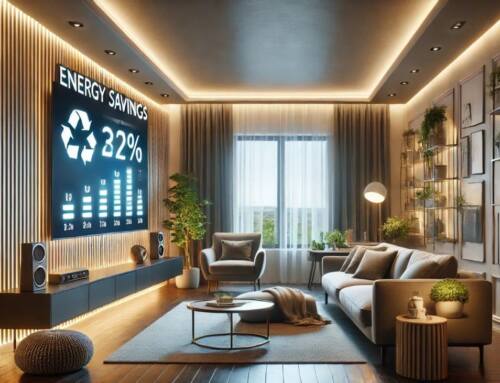
LED lighting uses far less energy than older lighting technologies. The U.S. Department of Energy notes that LEDs use at least 75 percent less energy and can last up to 25 times longer than incandescent lighting.
In hospitality settings, that matters. Guest rooms, corridors, lobbies, and back-of-house areas often stay lit for long stretches. Lower energy use means lower operating costs. Less heat also helps reduce HVAC load, which is often overlooked early in design.
2. Reliability in Spaces That Rarely Shut Off
Most hospitality lighting doesn’t get much rest.
Linear LED systems are designed for this reality. Long service life. Stable output. Fewer failures when power and drivers are specified correctly.
Problems usually don’t come from the LEDs themselves. They come from shortcuts. Undersized power supplies. Poor planning. That’s why engineering matters as much as the product.
3. Design Flexibility Without Losing Control
Designers like linear LED lighting because it blends into architecture. Recessed runs. Integrated coves. Clean lines.
At the same time, performance stays predictable. Light output can vary by space. Color temperature can shift between public areas and guest rooms. The system stays consistent, even when the design changes.
How Linear LED Lighting Is Used Across Hospitality Spaces
1. Entrances and Facades
This is where guests form their first opinion.
Linear LED lighting is often used to quietly outline the building and make entry points obvious. Not flashy. Not decorative for the sake of it. Just clear lines that help people understand where to go.
Outside lighting has to deal with weather, long runs, and constant use. That’s why ratings, power planning, and proper installation matter here more than anywhere else. If something is underspecified outdoors, it usually shows up fast.
2. Lobbies and Reception Areas
Lobbies are about orientation.
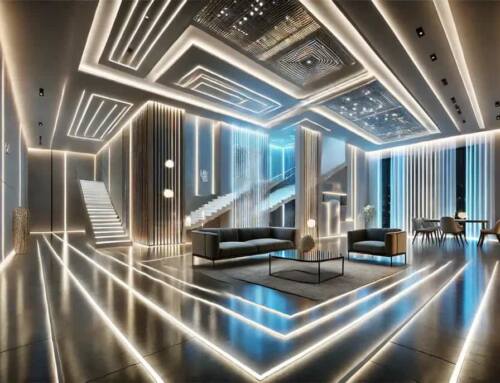
People walk in tired, distracted, or in a hurry. Lighting needs to guide them without calling attention to itself. Linear LED lighting helps define paths, frame reception desks, and support architectural details without cluttering the ceiling.
The balance matters. Too bright feels cold. Too dim feels confusing. When it’s done right, guests don’t notice the lighting. They just feel comfortable in the space.
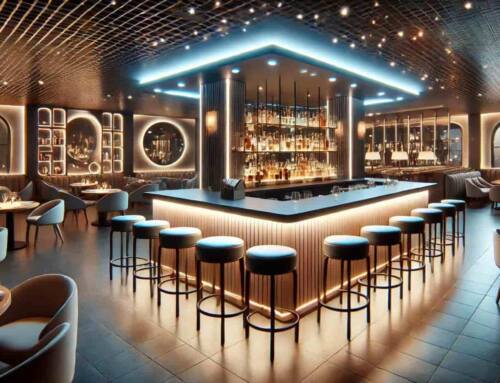
3. Restaurants and Bars
Restaurants don’t stay the same all day.
Morning service, afternoon traffic, evening dining. Each one asks something different from the lighting. Linear LED lighting makes those shifts easier without changing fixtures or layouts.
It integrates into ceilings, shelving, and bar details. Dimming and scene control do the heavy lifting. The change should feel natural, not dramatic.
4. Guest Rooms and Corridors
Guest rooms need lighting that doesn’t try too hard.
Indirect linear lighting works well here because it softens the space and avoids glare. It supports rest instead of fighting it. Guests shouldn’t have to think about where the light is coming from.
Corridors are more functional. Continuous runs improve visibility and make wayfinding easier, especially late at night. Consistency matters too. When one floor feels darker or different, guests notice.
5. Wellness, Spa, and Fitness Areas
Lighting plays a bigger role in these spaces than people realize.
In spas and wellness areas, softer linear light helps slow things down. Tunable white options let the space shift throughout the day. In fitness areas, lighting needs to stay controlled and clear without being harsh.
Reflective surfaces make mistakes obvious here. Glare and uneven lighting show up quickly when people are close to the fixtures.
6. Outdoor and Transitional Areas
Outdoor spaces are unforgiving.
Linear LED lighting helps with safety on walkways and terraces while keeping the design consistent with the interior. But outdoor systems demand more planning. Exposure, moisture, and long operating hours raise the stakes.
Environmental ratings, power distribution, and electrical safety aren’t optional. Shortcuts outside don’t age well, and failures tend to be visible.
Design and Engineering Considerations That Matter
1. Power Distribution and Voltage Planning
Long runs expose weak planning fast. Without proper power injection, voltage drops and brightness becomes uneven. Commercial hospitality projects need engineered power layouts. Guesswork does not hold up.
2. Flicker and Visual Comfort
Flicker usually points to power issues, not the LEDs. Undersized power supplies and poor drivers cause most problems. Stable, high-quality drivers are critical in hospitality and camera-sensitive spaces.
3. Control System Integration
Lighting control is not an add-on. Scene control only works when systems are compatible from the start. Early planning keeps transitions smooth and energy use predictable.
Why Hospitality Specifiers Work With SIRS-E
- Designed and manufactured in the United States
Built for commercial hospitality environments, not consumer applications.
- Engineered for professional use
Products designed to perform under long operating hours and demanding conditions.
- UL-certified for safety and compliance
Certification is part of the product development process.
- Technical support for specifiers and integrators
Clear documentation, wiring guidance, and practical answers.
- U.S.-based customer support
Support provided by professionals who understand the products and their applications.
Our focus is not on selling generic lighting. It is on making sure hospitality projects function the way they are supposed to, long after installation.
Lighting That Performs as Well as It Looks
In hospitality settings, lighting is expected to work every day, across every space, without drawing attention to itself. When systems are specified correctly, they stay consistent, avoid problems, and do their job quietly in the background.
Linear LED lighting does that when it is engineered properly and specified with care.
At SIRS-E, we support hospitality projects with UL-certified, U.S.-engineered linear LED lighting and straightforward technical guidance. The goal is simple. Systems that perform reliably long after installation.
Frequently Asked Questions:
1. How is linear LED lighting different from standard LED strips?
Linear LED systems are built for continuous, architectural lighting and professional installation. They are not consumer-grade products.
2. Why is UL certification important in hospitality lighting?
UL certification supports electrical safety, code compliance, and long-term reliability in commercial environments.
3. Can linear LED lighting be integrated with lighting control systems?
Yes. When properly specified, linear LED systems can support dimming and scene control.
4. Do hospitality projects require professional installation?
Yes. Commercial lighting systems should always be installed by qualified professionals.
5. How do we choose the right linear LED solution for a hotel or restaurant?
Operating hours, environment, control requirements, and safety standards should guide the selection process.








Leave A Comment
You must be logged in to post a comment.